

In the modern era, technology alone is rarely enough to guarantee success. True transformation happens when people and technology work in harmony—when tools are shaped around human needs, and people are empowered to use them creatively. This synergy is what distinguishes organizations that merely adopt tech from those that thrive.
Here, we’ll explore how to balance investment in systems with investment in people, how to design with empathy, and how to sustain this balance over time.
1. Why the Synergy Matters
Many organizations fall into one of two traps:
- Technology first, people later — Powerful systems are introduced, but adoption is low because staff resist or don’t see value.
- People-centric but under-equipped — Teams rely on manual workarounds, suffer inefficiencies, and burnout because tools can’t scale.
When technology and people are aligned:
- Tools amplify human creativity, not constrain it.
- Processes become smoother because users understand and own them.
- Adoption is higher, because systems feel intuitive and helpful.
- The organization can scale without fracturing culture or performance.
In short: technology leveraged by people—not imposed on them—is the route to sustainable excellence.
2. Key Principles for Creating Synergy
Here are core principles to guide your approach:
2.1 Start with Human-Centered Design
Before selecting or building technology, deeply understand how people work:
- Conduct user research, interviews, or shadowing
- Map pain points, workflows, and decision bottlenecks
- Involve end users from the start in design and prototyping
This ensures you build systems that people actually want to use—not just what seems elegant on paper.
2.2 Align Technology to Purpose & Strategy
Technology choices should never be disconnected from your strategic goals. Ask:
- What business problems is this solving?
- What outcomes should result (efficiency, transparency, innovation)?
- How will we measure success?
Every tool or system should map back to your core objectives, not become an island unto itself.
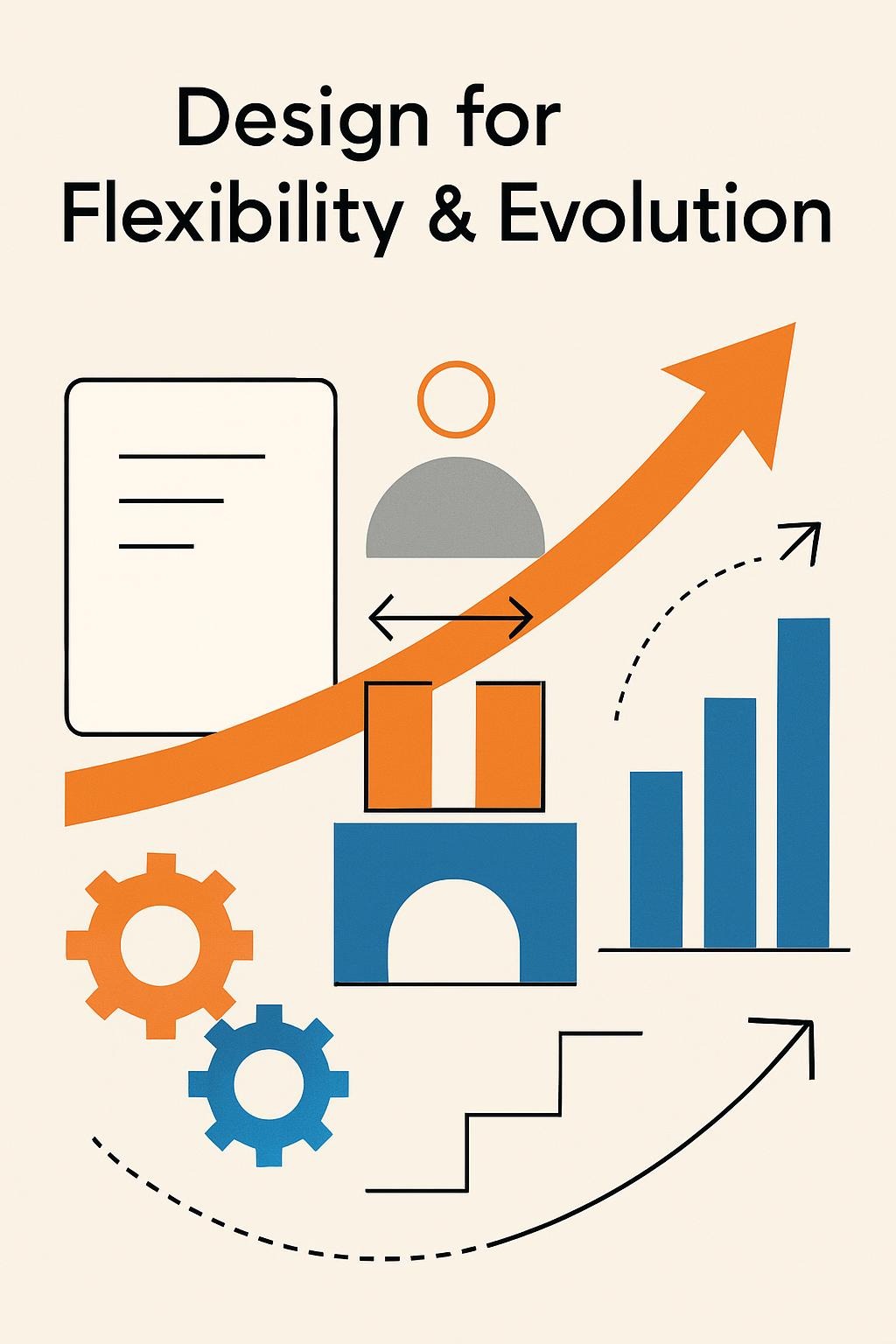
2.3 Design for Flexibility & Evolution
Technology—and the world around it—will change. Your systems should:
- Be modular (so parts can be replaced or upgraded)
- Use APIs, open standards, and integration-friendly architectures
- Support configurable rules, workflows, and scaling
Thus, the system evolves as people’s roles, processes, or priorities evolve.
2.4 Invest in Capability & Change Readiness
Even the best system fails if people aren’t ready. To enable adoption:
- Provide training, coaching, and hands-on onboarding
- Cultivate internal champions or “super users”
- Use change management practices: communication, feedback loops, pilots
- Recognize and reward early adopters
2.5 Monitor, Learn & Iterate
Don’t treat tech deployment as a one-off project. Instead:
- Track usage metrics, satisfaction, error rates, and adoption
- Gather qualitative feedback to understand friction
- Iterate rapidly, making adjustments to UX, flows, or governance
- Celebrate small wins to build momentum
3. How the Interaction Unfolds in Practice
To make this more concrete, here are illustrative interactions between technology and people across functional domains:
| Domain | Example | Synergistic Interaction |
|---|---|---|
| Operations / Workflow | A process management tool (e.g. Kanban or BPM software) | Teams define their workflows and rules; the tool enforces them, sends alerts, captures status; teams fine-tune the process over time |
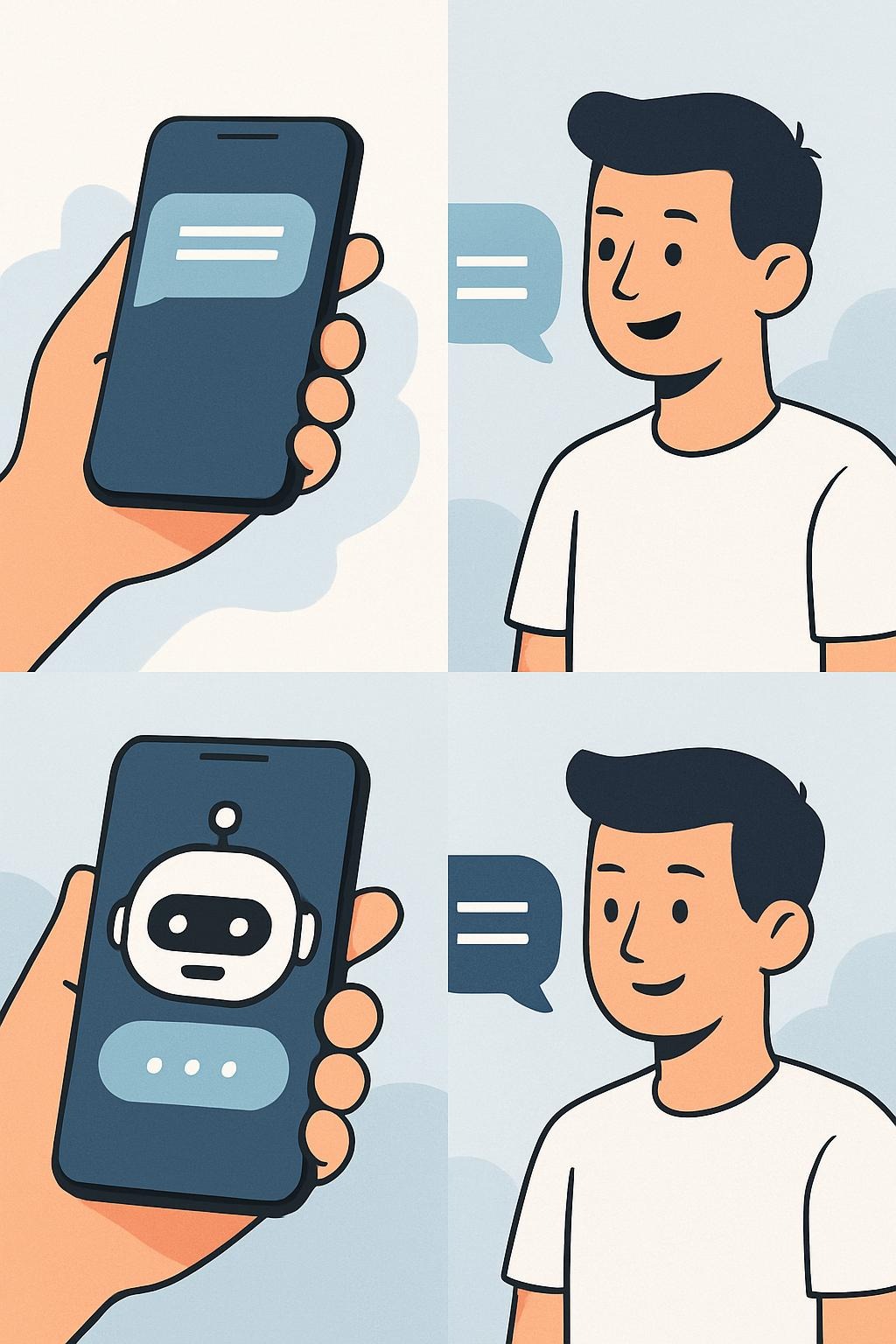
| Customer Service / Support | AI-assisted chat or ticket triage | Agents guide the AI by flagging misclassifications; over time, the model learns; agents spend time on higher-value issues |
| Sales / CRM | A CRM with predictive lead scoring | Sales reps give feedback on lead quality; the scoring model adjusts; reps focus more on high-potential leads |
| Analytics & Decision Support | Dashboard tools, data visualizations | Analysts or business users interpret data, request new views, drive deeper investigation; the tool gives them flexible dashboards |
| Innovation / R&D | Collaboration / ideation platforms | Teams contribute ideas; technology surfaces patterns, suggestions, or connections; insights feed back into product development |
In each case, people guide, validate, and improve the system—and the system amplifies people’s capabilities.
4. Challenges & Pitfalls to Watch For
Even with the best intentions, blending people and technology can stumble. Some common pitfalls:
- Overengineering too soon: Building overly complex systems before people are ready leads to frustration.
- Tool fetishization: Believing the tool alone solves problems while neglecting process or culture.
- Ignoring “edge cases” or exceptions: Real work often doesn’t follow neat rules; if your tech is inflexible, people will sidestep it.
- Underestimating change resistance: People default to familiar ways—systems must be marketed, supported, and iterated.
- Poor feedback or metrics design: Without good measures and listening, you won’t know whether the tech is genuinely helping or causing friction.
Mitigations include piloting with small teams, building in flexibility, providing strong change support, and monitoring usage closely.
5. Steps to Build Technology–People Synergy
Here’s a practical roadmap to implement this approach in your organization:
- Discovery & User Research
Map how work currently gets done, where friction lies, and what aspirations people have. - Define Outcomes & Metrics
Clarify what success looks like: adoption rates, time saved, satisfaction, error reduction. - Co-Design & Prototype
Build small prototypes with real users; iterate quickly based on feedback. - Pilot Deployment
Launch in a controlled setting (one team or unit). Monitor both quantitative and qualitative signals. - Train & Support
Equip users through training, documentation, peer coaching, and a feedback mechanism. - Iterate & Expand
Based on pilot learnings, refine the solution, enlarge scope, enforce standards. - Govern & Sustain
Establish governance, ongoing review, and ownership to ensure the system evolves alongside the organization.
6. Conclusion & Call to Action
Technology without people is hollow. People without technology are limited. But when they unite—through thoughtful design, co-creation, and continuous iteration—you unlock possibilities that neither alone can deliver.